Running Tourism Economics: How Marathons Transform Small Cities
The economics of running tourism tell a story that municipal planners and race directors have learned to read with increasing precision. Small cities across the globe have discovered that hosting a marathon creates economic ripples far beyond the finish line. The numbers paint a compelling picture: a single marathon weekend can inject millions into a local economy, create seasonal employment, and establish a city as a destination on the international running circuit.
Consider Regensburg, Germany, a UNESCO World Heritage city of 150,000 residents. Before launching its marathon in 2003, the city attracted modest tourism focused on its medieval architecture. Today, the Regensburg Marathon brings 15,000 runners and approximately 30,000 spectators, generating an estimated €8 million in direct economic impact annually. Hotels book solid for the weekend, restaurants extend hours, and local businesses plan their yearly revenue around race weekend.
This transformation isn't unique. Small cities from Tasmania to Tennessee have recognized that marathons offer something traditional tourism campaigns cannot: guaranteed visitor volume, repeat attendance, and a self-selecting demographic with above-average disposable income.
The Direct Revenue Model
Marathon economics begin with straightforward inputs. Registration fees form the foundation, but the real money flows through accommodation, dining, retail, and transportation. Research from the European Running Business Association indicates that the average marathon participant spends between €400-600 per race weekend, excluding registration fees. For destinations requiring air travel, this figure climbs significantly.
The spending profile breaks down predictably. Accommodation captures the largest share, typically 35-40% of total expenditure. Dining follows at 25-30%, then retail purchases at 15-20%, with local transportation and entertainment splitting the remainder. These percentages hold remarkably consistent across different cities and countries, making economic forecasting relatively reliable for race organizers and municipal planners.
Small cities benefit disproportionately from this spending concentration. Unlike major metropolitan areas where marathon spending disperses across vast urban sprawl, smaller destinations see concentrated economic activity within walkable city centers. Every euro spent reverberates through interconnected local businesses. The bakery supplies the hotel breakfast, the hotel recommends the local restaurant, the restaurant owner sponsors the race water station.
Biggar, Saskatchewan, population 2,100, hosts the annual Prairie Lily Marathon. The race brings 400 participants to a town that otherwise sees minimal tourism. Local economic analysis shows that this single event generates approximately $175,000 in direct spending, equivalent to adding 80 residents to the town's population for the entire year. For context, this represents roughly 8% of the town's annual retail sales compressed into 48 hours.
The Multiplier Effect and Long-Term Infrastructure
The economic story extends well beyond direct spending through what economists call the multiplier effect. Money spent by marathon participants circulates through the local economy multiple times. The hotel pays staff, who shop at local stores, which order from local suppliers, creating economic velocity that amplifies initial spending.
Standard economic models estimate multipliers between 1.5 and 2.5 for sporting events in small cities. A marathon generating €5 million in direct spending might create €7.5-12.5 million in total economic activity. The higher multipliers occur in communities with strong local supply chains where money stays circulating locally rather than immediately flowing to external corporations.
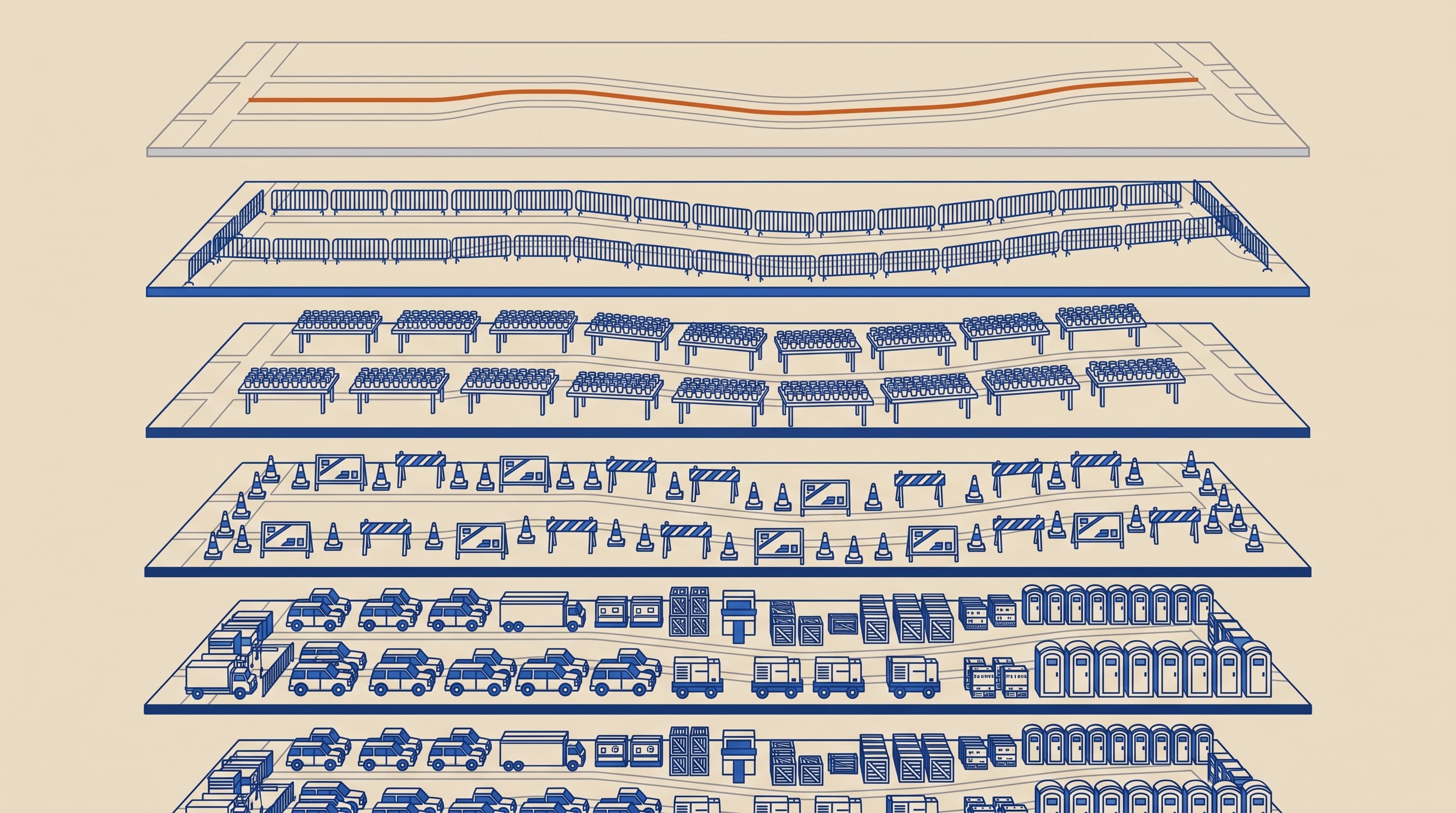
But the most significant economic transformation happens gradually, through infrastructure development that marathons justify and accelerate. Cities invest in improved trail systems, upgraded park facilities, enhanced wayfinding signage, and better public transportation. These improvements serve residents year-round while making the destination more attractive for return visits and future events.
Rotorua, New Zealand, population 58,000, exemplifies this infrastructure evolution. The city leveraged its marathon to justify $15 million in trail development and lakefront improvements between 2010-2020. These enhancements now support year-round recreation and have helped Rotorua position itself as New Zealand's adventure capital, attracting mountain bikers, trail runners, and outdoor enthusiasts beyond the marathon calendar.
The Brand Value Equation
Marathons provide small cities something money cannot easily buy: international brand visibility. Participants return home with stories, photos, and social media content that reaches millions of impressions. This organic marketing proves far more effective than traditional tourism advertising.
The 42cal Race Directory tracks over 2,500 marathons globally, making it easier for runners to discover events in destinations they might never have considered. Small cities appearing in searchable race databases gain exposure to an audience actively seeking new experiences. The directory's filtering tools by date, location, and course characteristics help niche destinations find their ideal audience.
Quantifying brand value requires measuring multiple metrics: media mentions, social media engagement, website traffic, and future tourism inquiry rates. Studies from the Journal of Sport & Tourism show that successful marathons generate media coverage equivalent to €500,000-2 million in advertising value for smaller destinations, with social media amplification adding comparable reach.
Medoc, France, population 5,800, hosts the Marathon des Châteaux du Médoc, a wine-themed race through the Bordeaux region. This September event has transformed Medoc from a quiet wine district into an internationally recognized destination. The marathon's quirky format features wine tastings, oysters, and steak at aid stations, creating social media content that spreads organically. Participants from 50+ countries now visit specifically for the race, with 40% returning within two years for wine tourism unrelated to running.
The brand halo effect extends to non-participants. Family members and friends who travel with runners explore local attractions, museums, and dining establishments. Research indicates that each marathon participant brings an average of 1.7 additional visitors who spend an additional €200-300 during race weekend. These accompanying visitors often become the most valuable long-term tourists, returning without the race as the primary motivation.
Employment Patterns and Seasonal Stability
Marathon economies create distinct employment patterns that benefit communities with seasonal tourism challenges or limited economic diversity. Pre-race preparation requires temporary staff for packet pickup, course setup, volunteer coordination, and logistics management. Race day demands marshals, medical personnel, photographers, and support crew. Post-race breakdown and cleanup extend employment another 2-3 days.
These temporary positions provide crucial income in communities where year-round employment opportunities remain limited. Studies from Australian regional development agencies show that recurring sporting events create skill development in event management, hospitality, and logistics that transfers to other economic sectors.
Cities hosting multiple annual running events (often adding half marathons, trail races, and fun runs) extend this employment stability across more months. Traverse City, Michigan, population 15,000, has built a running event calendar spanning April through October, creating nearly six months of event-related employment that supplements the summer tourism season.
The professional development aspect matters particularly for younger workers. Event management experience gained through marathon volunteering and employment builds résumé value that helps residents compete for positions beyond their local economy. This human capital development represents an often-overlooked economic benefit that compounds over years.
Comparative Analysis: Investment Returns
Cities considering marathon development face a fundamental question: does the return justify the investment? The answer depends heavily on existing infrastructure, geographic advantages, and realistic participant projections.
Initial startup costs for a small city marathon typically range from €50,000-150,000, covering course certification, timing equipment, basic infrastructure, insurance, and initial marketing. Ongoing annual operational costs run €75,000-250,000 depending on participant volume and support services. Cities must also account for indirect costs: public services, road closures, park usage, and administrative overhead.
Break-even analysis varies significantly by context. A realistic small city marathon might attract 1,000-2,000 participants in early years, generating €400,000-1.2 million in direct economic activity. Against operational costs of €100,000-150,000, the immediate return on municipal investment appears favorable. However, cities must consider opportunity costs: could the same investment in traditional tourism marketing yield comparable returns?
Data from comparable events suggests marathons outperform traditional tourism marketing by substantial margins. A €100,000 tourism advertising campaign might increase annual visitor volume by 2-3%. The same investment in a marathon brings guaranteed visitor volume with spending concentrated in identifiable timeframes, making economic measurement more straightforward.
The comparison becomes even more favorable when considering multi-year trajectories. Successful marathons grow organically through participant word-of-mouth and social media sharing. The Loch Ness Marathon in Scotland started with 850 participants in 2002 and now attracts 8,500+ runners from 50+ countries, representing nearly 1,000% growth without proportional increases in municipal investment.
Longer-term returns emerge through established brand positioning. Cities that successfully host marathons for 5-10 years develop reputations that attract other sporting events, conferences, and tourism opportunities. This portfolio effect creates economic stability that single-event dependence cannot achieve.
The Risk and Sustainability Factors
Not every small city marathon succeeds economically. Several factors predict sustainability and growth potential. Geographic accessibility matters enormously. Cities within driving distance of major metropolitan areas enjoy natural participant pools. Destinations requiring air travel must offer compelling unique features to justify the added expense and complexity.
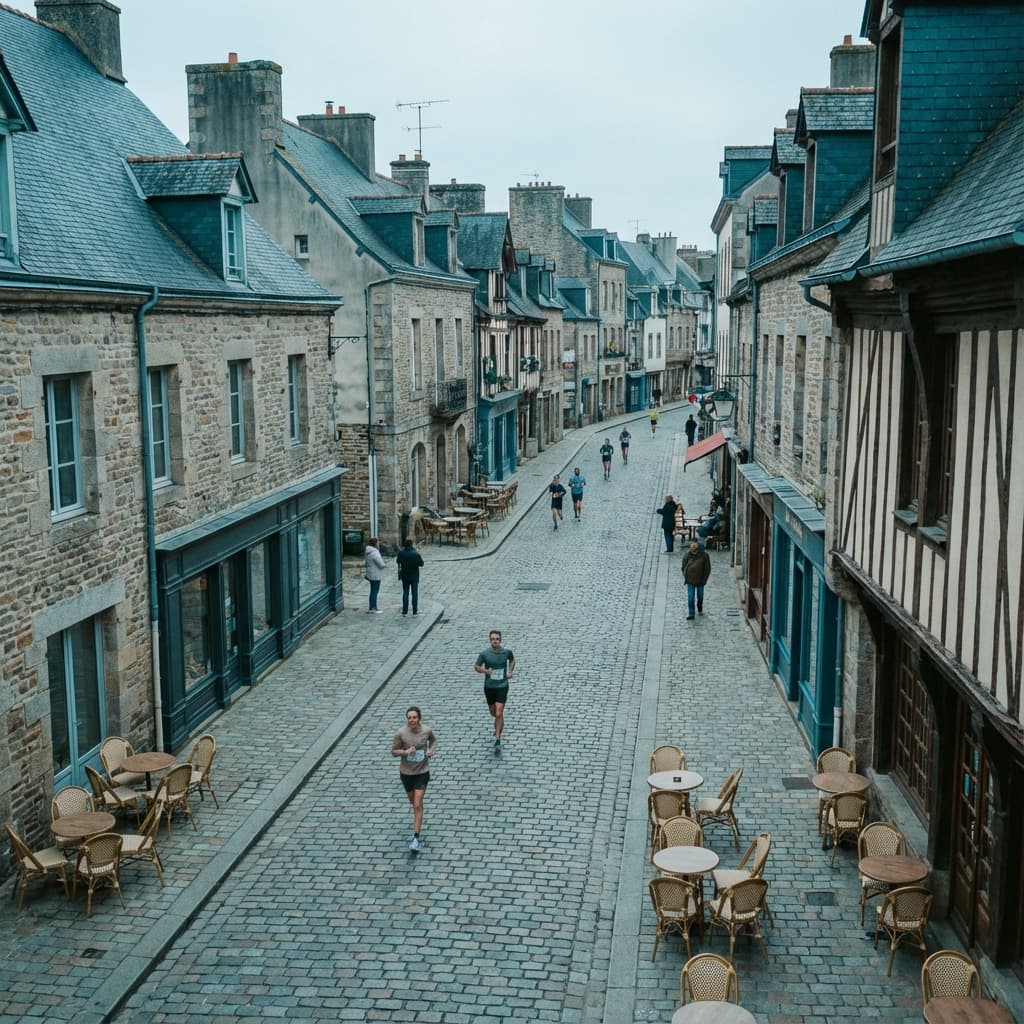
Course attractiveness influences repeat participation rates, which determine long-term viability. Flat, fast courses appeal to time-focused runners. Scenic routes through historic districts or natural landscapes attract experience-focused participants. Cities must honestly assess their natural and built assets when designing courses.
Local community support proves essential. Successful marathons require hundreds of volunteers, multiple business sponsors, and municipal services coordination. Communities without enthusiastic local backing struggle to maintain operational quality year after year. Survey data from the Running USA organization shows that volunteer satisfaction scores correlate strongly with event sustainability beyond five years.
Weather risk cannot be ignored. Small cities scheduling marathons during historically poor weather periods face attendance challenges that compound over time. Cancellation rates, even one unfortunate year, damage reputation and future registration. Cities must balance optimal weather windows against calendar competition from established races.
Environmental sustainability increasingly influences destination selection. Runners gravitate toward events with strong environmental policies: waste reduction, carbon offsetting, and course design that minimizes ecological disruption. Small cities implementing sustainable practices gain competitive advantages in attracting environmentally conscious participants who often represent higher spending demographics.
The Future of Running Tourism Economics
The running tourism landscape continues evolving in ways that favor small cities over traditional major marathon markets. Runners increasingly seek unique experiences over prestigious but crowded urban races. This preference shift, accelerated by pandemic-era changes in travel patterns, creates opportunities for destinations willing to differentiate through authentic local character.
Technology enables small cities to compete more effectively with established races. Virtual race options, improved timing systems, and sophisticated marketing platforms reduce barriers to entry. Cities can now reach international audiences directly through social media and specialized running platforms rather than relying on expensive traditional advertising.
The economic model will likely shift toward year-round running tourism rather than single-event dependence. Cities developing trail systems, establishing training camps, and creating runner-friendly infrastructure position themselves to capture training tourism—runners who visit specifically to train on race courses or utilize altitude and terrain advantages.
Small cities that embrace their authentic identity while providing professional race experiences will thrive in this evolving market. The economic transformation potential remains substantial for communities willing to invest strategically and play the long game. Marathon tourism offers small cities something increasingly rare in global economics: a sustainable competitive advantage built on place-specific assets that cannot be easily replicated or outsourced.
The numbers tell a story of transformation that extends far beyond simple economic multipliers. Marathons reshape how small cities understand their identity, their assets, and their potential. The finish line isn't just the end of 42.195 kilometers. It's the starting point for economic development that ripples through communities for decades.